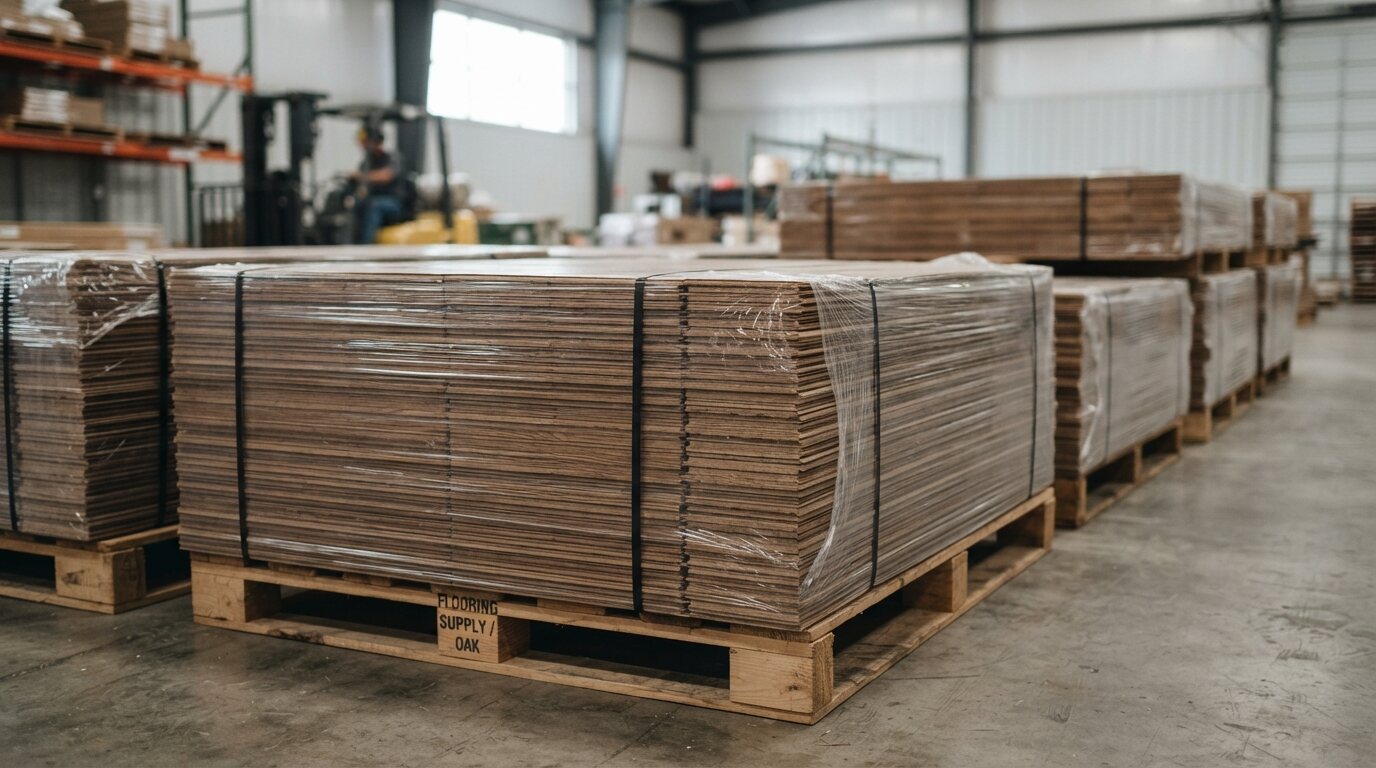
When sourcing flooring materials for your projects, Zhejiang province has emerged as a powerhouse, particularly for laminate and SPC (Stone Plastic Composite) flooring. The cities of Haining and Nanxun, in particular, have become the core of this manufacturing cluster. These Zhejiang flooring factories offer a wide range of options for international buyers, from villa owners to large-scale developers and importers.
We’ve seen a significant shift in flooring production towards this region, driven by a combination of strategic advantages. Understanding why these areas thrive and what they offer is key to making informed purchasing decisions for your flooring needs.
Why Flooring Production Shifted East to Zhejiang
Historically, various types of flooring production were scattered across China, with some regions specializing in certain materials. However, over the past decade, Zhejiang province, especially the northern part, has seen a concentrated growth in laminate and SPC flooring manufacturing.
This shift is largely due to several factors. Firstly, the region benefits from good access to raw materials. For SPC flooring, the proximity to PVC resin suppliers and related chemical industries is a significant advantage. For laminate, while HDF (High-Density Fiberboard) cores are often sourced from other provinces, the established manufacturing ecosystem in Zhejiang makes it efficient to produce the final product. Secondly, the labor pool in Zhejiang has developed specialized skills in flooring production, offering a balance of quality and cost-effectiveness compared to some older, more developed industrial zones. Thirdly, and critically for international trade, Zhejiang’s unparalleled logistics network, centered around the ports of Ningbo and Shanghai, offers a distinct competitive edge, reducing inland transport costs and transit times.
Haining and Nanxun: Zhejiang’s Flooring Twin Hubs
Within Zhejiang, Haining and Nanxun stand out as the primary centers for flooring production. While geographically distinct, they form a cohesive manufacturing belt.
Haining: A Laminate Legacy, Now Embracing SPC
Haining, located in the north of Zhejiang, was initially renowned for its strong laminate flooring industry. Many factories here have decades of experience in producing high-quality laminate planks, from the HDF core pressing to the decorative paper lamination and click system milling. The city has a well-developed supply chain for decorative papers, wear layers, and balance papers, ensuring consistent quality and variety.
In recent years, Haining has also rapidly expanded into SPC flooring production. Many traditional laminate manufacturers have invested in new SPC production lines, leveraging their existing sales channels and understanding of the flooring market. This means you can often find both laminate and SPC options from factories in this area.
Nanxun: From Timber to Modern Composites
Nanxun, just west of Haining, has a long history rooted in timber processing and engineered wood flooring. This heritage has provided a strong foundation of woodworking expertise and a skilled workforce. As the market shifted, Nanxun’s factories adapted, becoming a major hub for SPC flooring production. While still producing some engineered wood, its focus has increasingly moved towards the more modern, waterproof SPC products.
The factories in Nanxun are often characterized by large-scale, vertically integrated operations for SPC, from core extrusion to profiling and packaging. This specialization often means a very efficient production process for SPC, with a wide range of designs and specifications available.
SPC vs. Laminate Flooring Production in Zhejiang
Both Haining and Nanxun offer extensive options for both laminate and SPC flooring. Understanding the typical specifications and considerations for each is important.
Laminate Flooring
Laminate flooring from Zhejiang factories typically consists of an HDF (High-Density Fiberboard) core, a decorative paper layer, a transparent wear layer (melamine resin), and a balance paper on the bottom. Key specifications to consider include:
- Thickness: Common thicknesses range from 6mm, 7mm, 8mm, 10mm, to 12mm. Thicker options generally offer better stability and a more solid feel.
- AC Rating: This indicates durability, from AC1 (light residential) to AC5 (heavy commercial). Most residential projects use AC3 or AC4.
- HDF Density: Typically 800-900 kg/m³. Higher density means better impact resistance and moisture stability.
- Formaldehyde Emission: Look for E0 or E1 standards, or CARB P2 certification for stricter markets.
- Click System: Most factories use licensed click systems (e.g., Unilin, Valinge) or well-engineered generic systems. Confirm the license if specific patents are required in your market.
- Sizes: Standard plank widths are often around 190-200mm, with lengths of 1200-1220mm or longer ‘grand planks’ up to 2200mm.
Typical MOQs for laminate flooring are around 1,000 to 2,000 square meters per color, depending on the factory and specific product. Lead times usually range from 20 to 35 days after deposit and design confirmation.
SPC Flooring (Stone Plastic Composite)
SPC flooring is known for its waterproof properties and stability. It’s constructed with a rigid SPC core (limestone powder and PVC), a decorative film, a transparent wear layer, and often an attached underlayment (IXPE or EVA foam). Key specifications include:
- Thickness: Common thicknesses range from 3.5mm, 4mm, 5mm, 5.5mm, to 6mm.
- Wear Layer Thickness: This is crucial for durability, typically 0.3mm, 0.5mm, or 0.7mm. For heavy commercial use, 0.5mm or 0.7mm is recommended.
- SPC Core Density: Usually 1,800-2,100 kg/m³. Higher density means a more rigid and stable board.
- Underlayment: Integrated IXPE (1mm, 1.5mm, 2mm) or EVA foam underlayments are common, providing sound absorption and comfort.
- Phthalate-Free: Confirm that the product is phthalate-free, especially for residential and healthcare projects.
- Click System: Similar to laminate, licensed or reliable generic click systems are used.
- Sizes: Plank widths vary, often from 180mm to 230mm, with lengths typically 1200mm, 1500mm, or 1800mm.
MOQs for SPC flooring are generally lower than laminate, often 500 to 1,000 square meters per color. Lead times are typically 25 to 40 days, as the extrusion process for the core can be more time-consuming.
Comparison Table: Laminate vs. SPC Flooring from Zhejiang Factories
| Feature | Laminate Flooring | SPC Flooring |
|---|---|---|
| Core Material | HDF (High-Density Fiberboard) | SPC (Stone Plastic Composite) |
| Water Resistance | Moisture resistant (not fully waterproof) | 100% waterproof |
| Typical Thickness | 6mm, 7mm, 8mm, 10mm, 12mm | 3.5mm, 4mm, 5mm, 5.5mm, 6mm |
| Wear Layer (Laminate) | AC1 to AC5 rating | 0.3mm, 0.5mm, 0.7mm PVC wear layer |
| Typical Price Range (FOB) | $3.00 – $8.00 per sqm | $4.00 – $10.00 per sqm |
| Typical MOQ per Color | 1,000 – 2,000 sqm | 500 – 1,000 sqm |
| Typical Lead Time | 20 – 35 days | 25 – 40 days |
| Underlayment | Separate foam underlay often needed | Often integrated IXPE/EVA underlay |
Logistics Advantage: Ningbo and Shanghai Ports
One of the most significant benefits of sourcing from Zhejiang flooring factories is their proximity to two of the world’s largest and most efficient ports: Ningbo-Zhoushan Port and Shanghai Port. This geographical advantage translates directly into cost savings and logistical efficiency for international buyers.
Factories in Haining and Nanxun can typically reach either port within a few hours by truck. This means lower inland transportation costs, which usually range from $100 to $300 per container from the factory to the port, depending on the exact distance and current fuel prices. The abundance of shipping lines operating from these major hubs also provides more options for vessel schedules and competitive freight rates to destinations worldwide. This streamlined logistics chain helps ensure that your flooring arrives on time and within budget.
Combining Shipments with Guangdong Containers
Many international buyers, especially those building villas or developing projects, source a wide range of materials from China. It’s common for materials like ceramic tiles, sanitary ware, and aluminum windows to be sourced from Foshan and other parts of Guangdong province, while flooring comes from Zhejiang. Combining these shipments efficiently is a common request.
There are generally two main approaches to combining materials from Zhejiang and Guangdong:
- Consolidation in Guangdong: We can arrange for the flooring from Zhejiang to be transported by truck to a warehouse in Foshan or another Guangdong port city. Here, it can be consolidated with your other materials into a single container. This method results in one Bill of Lading (BL) for the entire shipment, simplifying customs clearance at your destination. However, it incurs additional inland transport costs for the flooring from Zhejiang to Guangdong (typically $600-$1000 per 40ft container, depending on the exact origin and destination within China) and potentially warehousing fees.
- Separate Shipments from Different Ports: Alternatively, the flooring can be shipped directly from Ningbo or Shanghai Port, and your Guangdong materials from Shenzhen or Guangzhou Port. This results in two separate Bills of Lading and potentially two separate customs clearances at your destination. While it avoids the inland transport cost from Zhejiang to Guangdong, it might involve more administrative work and potentially higher overall freight costs if you’re shipping less than full containers from each port.
The best approach depends on the volume of materials, your budget, and your preferred level of logistical complexity. We always discuss these options with our clients to find the most cost-effective and practical solution for shipping from China.
What to Confirm Before Ordering from Zhejiang Flooring Factories
- Exact Product Specifications: Confirm thickness, wear layer, AC rating (for laminate), core density, and attached underlayment details.
- Click System Type: Verify if it’s a licensed system and if any specific patent requirements exist for your market.
- Environmental Certifications: Request E0/E1 or CARB P2 for laminate, and phthalate-free confirmation for SPC.
- Packaging Details: Confirm carton quantity per square meter, number of pieces per carton, palletization method, and any specific labeling requirements.
- Warranty Terms: Understand the manufacturer’s warranty for residential and commercial use.
- Quality Control Process: Discuss the factory’s internal QC and the possibility of a third-party pre-shipment inspection.
- Payment Terms: Standard is typically 30% deposit, 70% balance against copy of Bill of Lading.
- Lead Time: Get a clear commitment on production lead time and loading date.
Navigating the options from Zhejiang flooring factories, ensuring quality, and managing logistics can be complex. As your independent sourcing agent, we help you identify reliable manufacturers in Haining and Nanxun, verify product specifications, conduct quality checks, and streamline the shipping process, including combining orders from different regions. Learn more about our sourcing agent service.
The flooring belt of Haining and Nanxun in Zhejiang offers exceptional value and variety for international buyers. By understanding the specifics of this region, you can confidently source high-quality laminate and SPC flooring for your projects.
Planning to buy building materials in Foshan?
Tell us what you need and when you plan to come. We reply the same day with a realistic plan, price ranges and which markets to visit.