Container consolidation and shipping from China
Combine building materials from multiple suppliers with coordinated inspection, warehouse receipt, loading and export documents.
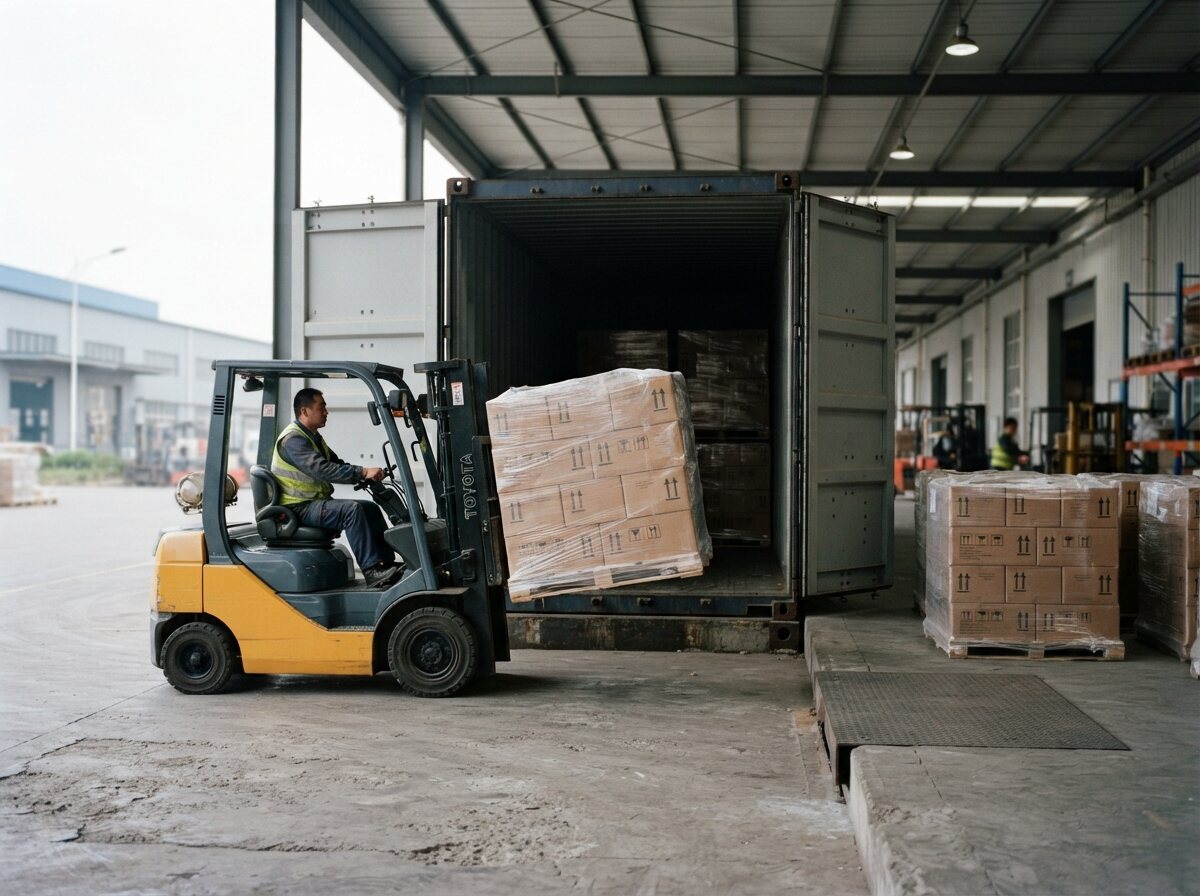
Build one shipment plan before ordering
Container consolidation brings orders from several suppliers into a coordinated shipment. It works best when every factory follows the same collection deadline, packing rules and reference system. A mixed building materials container may include dense tile pallets, fragile bathrooms, long window crates and bulky cabinetry. Each needs a planned position and safe handling.
Consolidation workflow
| Stage | Required information | Release check |
|---|---|---|
| Order planning | Supplier, product, quantity and ready date | Compatible production schedules |
| Packing review | Carton or crate dimensions and gross weights | Protection and handling suitable for the route |
| Inspection | Approved samples, drawings and purchase order | Defects resolved or buyer decision recorded |
| Warehouse receipt | Package references and delivery count | Shortages and visible damage recorded |
| Loading | Weight distribution and unloading sequence | Container condition, securing and photographs |
| Documentation | Invoices, packing list and transport instructions | Consistent quantities and shipment references |
FCL and LCL comparison
FCL uses a container booked for the shipment, although customs or other authorities may open it. LCL shares container space with other cargo and can involve additional handling. Compare total origin and destination charges, handling risks, packing and delivery timing. There is no universal cubic-volume threshold at which one option is always cheaper.
Ask for both options when practical. LCL can suit a small order, but minimum charges and destination fees matter. FCL can simplify a large mixed shipment, but a partly filled container may still be sensible when fragile or oversized cargo needs dedicated space.
Container capacity is not a universal loading allowance
| Equipment example | Published internal capacity | Published maximum payload |
|---|---|---|
| 20 foot standard steel | 33.2 cubic metres | 28,300 kg |
| 40 foot standard steel | 67.7 cubic metres | 28,870 kg |
| 40 foot high cube steel | 76.4 cubic metres | 28,690 kg |
These are examples from Maersk equipment guidance, not a promise for a specific booking. Confirm the actual container plate, carrier restrictions, road limits and destination handling. Crates, pallets, clearance and securing reduce usable space. Heavy tiles can reach the permitted weight before the container is full.
Coordinate ready dates and storage
Keep a supplier schedule with planned and confirmed completion dates. Allow time for inspection and correction before collection. Agree warehouse receiving hours, storage charges, free periods and responsibility for delayed suppliers. Do not book around an unconfirmed factory estimate.
If one supplier is late, compare holding the whole order with a split shipment. Include storage, rehandling, destination charges and the project delay in the decision. Record the buyer approval rather than silently changing the shipment plan.
Protect goods and document loading
Specify packaging appropriate to each product and transport method. Check fragile edges, projecting fittings, stack limits and lifting points. Confirm applicable wood packaging rules with the forwarder. Load to avoid crushing fragile packages and to support safe unloading at the destination.
Keep dated receipt photographs, package counts, loading photographs and seal details. A warehouse receipt confirms what was received; it does not replace a product inspection at the factory.
Budget beyond ocean freight
Compare inland collection, warehouse handling, packing, origin charges, freight, insurance, destination charges, brokerage and final delivery. Import duties and taxes need separate destination-specific confirmation. Ask what is excluded from any door-delivery quote, including unloading, storage and examination charges.
The commercial invoice, packing list and transport documents should use consistent product descriptions and quantities. Have the destination broker review classifications and required documents before shipment. Certificate requirements depend on the products and market.
Buyer questions
Can tiles and windows share a container?
They can if the weight distribution, protective packaging and unloading arrangement are suitable. Approve the loading plan before collection.
Does a 40 foot container carry twice the tile weight?
No. It has more volume, but payload and route restrictions may be similar to those for a 20 foot container.
How long will delivery take?
Use a current route quote and allow for production, inspection, collection, sailing, clearance and inland delivery. A generic transit range is not a guaranteed site date.
Plan the next step
Send your specifications, quantities, destination and required delivery date. We will clarify the sourcing scope, supplier checks, inspection requirements and shipment coordination before you commit.