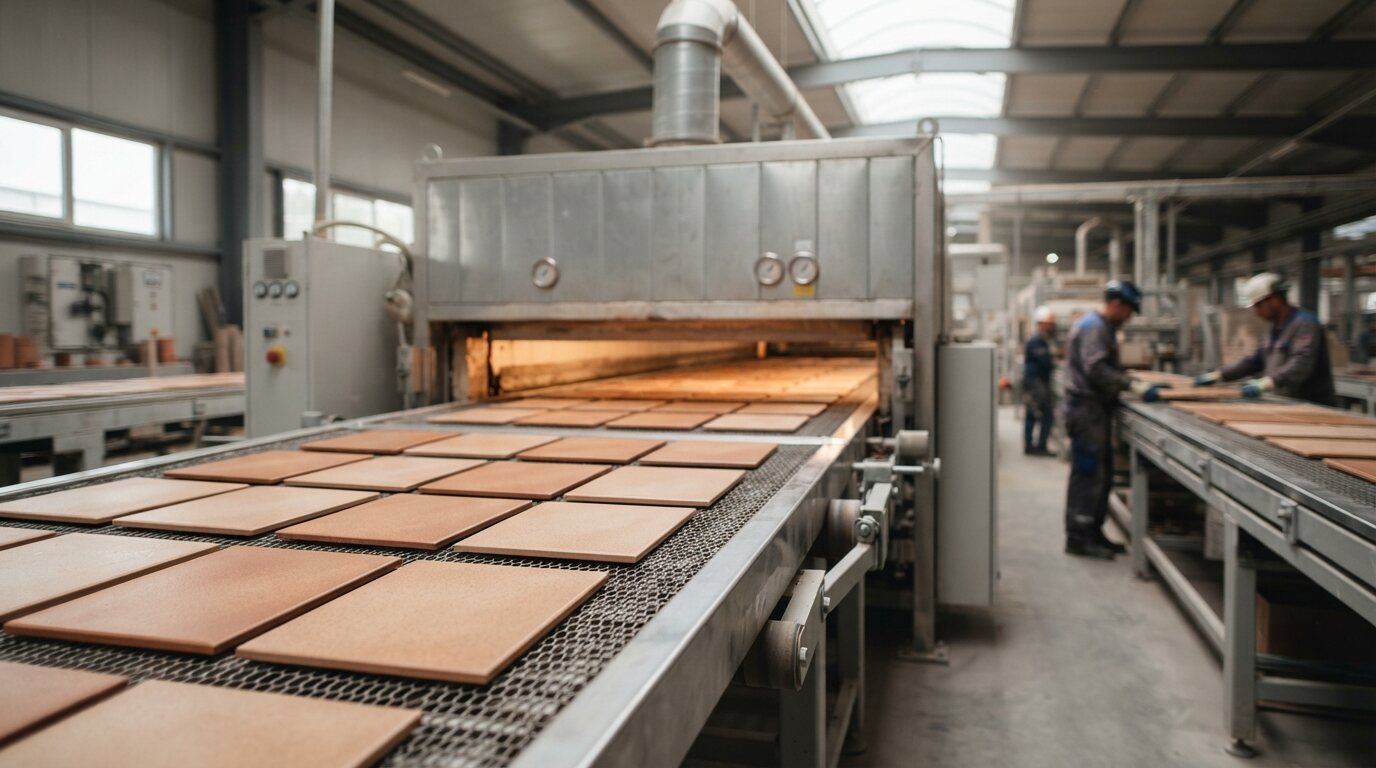
Foshan, in Guangdong province, is widely known as China’s primary hub for ceramic tiles. It offers an immense variety, from high-end polished porcelain to rustic wall tiles, and has a well-developed export infrastructure. However, it’s not the only place to source tiles in China. For specific project needs, especially when budget is a key factor or when you require certain types of tiles like durable exterior options or small format Zibo ceramic tiles, other clusters like Zibo in Shandong province and Jinjiang in Fujian province can offer compelling alternatives.
Understanding the strengths and weaknesses of these different production bases is crucial for making informed sourcing decisions. We often guide our clients through these choices, weighing product specifications, price points, and the often-overlooked logistics costs. This article will help you understand when looking beyond Foshan makes sense and what to expect from Zibo and Jinjiang.
Foshan: The Established Tile Capital
Foshan remains the go-to destination for most international tile buyers, and for good reason. Its factories are at the forefront of design and technology, producing large format porcelain slabs, innovative glazed tiles, and a vast array of styles that cater to global trends. The cluster boasts a mature export ecosystem, with numerous showrooms, trading companies, quality control services, and efficient logistics connections to major ports like Shenzhen and Guangzhou.
You can find almost any type of tile imaginable here, from ceramic tiles for interior floors and walls to specialized applications. Foshan factories typically have high production capacities and are experienced in meeting international quality standards and packaging requirements. If you’re looking for a wide selection, cutting-edge designs, or need to consolidate various types of tiles, Foshan is usually the most efficient choice. We are based in Foshan, making it easy for us to visit factories and markets here, as well as manage quality control directly.
Zibo: The Northern Tile Cluster for Value
Located in Shandong province, Zibo is a significant ceramic production base in northern China. While not as globally prominent as Foshan, Zibo has a long history of tile manufacturing and specializes in certain product categories that can offer excellent value, particularly for large-volume projects.
Product Focus: Zibo Ceramic Tiles
Zibo factories primarily focus on more traditional and functional tile types. When we talk about Zibo ceramic tiles, we are typically referring to:
- Exterior Wall Tiles: Glazed and unglazed varieties, often with rustic or stone-like textures. These are popular for building facades in residential and commercial projects. Common sizes include 75x150mm, 100x200mm, 200x400mm, and 300x600mm.
- Small to Medium Format Floor Tiles: Durable glazed and unglazed options, including rustic tiles, often in sizes like 300x300mm, 400x400mm, and 600x600mm. These are frequently used in public spaces, commercial projects, and residential outdoor areas where high durability and anti-slip properties are key.
- Anti-Slip Tiles: Many Zibo factories produce tiles with specific anti-slip ratings (e.g., R9 to R11), suitable for wet areas or outdoor use.
- Industrial Tiles: Some factories produce thicker, heavy-duty tiles for industrial applications, though this is a more niche segment.
Designs in Zibo tend to be more conservative and functional compared to Foshan’s trend-driven market. You’ll find fewer ultra-large formats or highly polished, intricate designs. The strength lies in robust, practical tiles at competitive prices.
Price and Quality in Zibo
For its specialized products, Zibo generally offers lower ex-factory prices than Foshan. This is due to factors like lower labor costs, less emphasis on high-end design R&D, and often a focus on specific raw materials available locally. However, quality consistency can sometimes be more variable than in Foshan. It’s crucial to have a clear understanding of the factory’s quality control procedures and to conduct thorough inspections.
Logistics from Zibo
Zibo’s location in Shandong means it’s closer to northern ports like Qingdao and Tianjin. If your final destination is in northern Asia or you can utilize these ports, the logistics can be efficient. However, if your shipment needs to go through southern ports like Shenzhen or Guangzhou (which are common for international consolidated shipments), the inland freight cost from Zibo can be substantial. This added cost can sometimes negate the initial price savings on the tiles themselves. A 20-ton truck from Zibo to Guangzhou can cost anywhere from USD 800 to USD 1,500, depending on fuel prices and demand, adding a significant per-square-meter cost.
Jinjiang (Quanzhou): The Fujian Tile Cluster
Jinjiang, part of the larger Quanzhou ceramic cluster in Fujian province, is another important tile production base. This region has a strong focus on durability and strength, particularly for outdoor applications.
Product Focus: Jinjiang Tiles
Jinjiang factories are well-regarded for:
- Heavy-Duty Exterior Floor Tiles: These are often thicker (12mm to 20mm), unglazed or semi-glazed, and designed for high-traffic areas, driveways, public squares, and even industrial flooring. They are known for their high breaking strength and abrasion resistance.
- Anti-Slip and Textured Tiles: Similar to Zibo, Jinjiang produces many tiles with excellent anti-slip properties, often with rougher textures for enhanced grip.
- Roof Tiles: Traditional Chinese-style glazed roof tiles are a specialty, alongside modern flat or curved roof tile options.
- Small to Medium Format Tiles: Similar to Zibo, the focus is less on large slabs and more on functional sizes up to 600x600mm.
The emphasis here is on robust, long-lasting products that can withstand harsh outdoor conditions. Aesthetics are important, but functionality and durability often take precedence.
Price and Quality in Jinjiang
Jinjiang tiles are competitively priced, often comparable to Zibo for similar product types, and generally lower than Foshan for their specific niches. The quality for heavy-duty outdoor tiles is often excellent, with factories specializing in high-strength firing processes. For these specific applications, Jinjiang can offer superior performance for the price.
Logistics from Jinjiang
Fujian province has its own major ports, such as Xiamen and Fuzhou. These ports are well-connected, especially to Southeast Asian markets, making Jinjiang an attractive option for buyers in that region. Inland freight to southern ports like Shenzhen or Guangzhou is less expensive than from Zibo, typically ranging from USD 500 to USD 900 for a 20-ton truck, but still adds to the overall cost if you are consolidating with other products from Guangdong.
Price and Quality Considerations: Foshan vs. Zibo vs. Jinjiang
The choice between these clusters often boils down to a balance of price, specific product requirements, and logistics. Here’s a comparative overview:
| Parameter | Foshan (Guangdong) | Zibo (Shandong) | Jinjiang (Fujian) |
|---|---|---|---|
| Main Product Focus | Wide range: polished porcelain, glazed, large format, design-oriented, interior & exterior. | Exterior wall tiles, small/medium format floor tiles, rustic, anti-slip. | Heavy-duty exterior floor tiles, roof tiles, high-strength, anti-slip. |
| Typical Price Level (Relative) | Medium to High | Low to Medium | Low to Medium |
| Export Experience | Very High, global standards, established trading infrastructure. | Medium, growing, less focus on international certifications. | Medium to High, strong in specific niches, especially Southeast Asia. |
| Main Strengths | Design, innovation, variety, large formats, comprehensive supply chain. | Value for specific exterior/small format ceramic tiles, budget projects. | Durability, strength, heavy-duty outdoor applications, roof tiles. |
| Key Ports | Shenzhen, Guangzhou | Qingdao, Tianjin | Xiamen, Fuzhou |
| Typical MOQ (20GP) | 1-2 containers per item (can be flexible for mixed orders). | 1-2 containers per item, less flexible for mixed orders. | 1-2 containers per item, less flexible for mixed orders. |
Logistics and Shipping: The Hidden Costs
When comparing prices, it’s vital to consider the total landed cost. The ex-factory price is only one component. Inland transportation costs can significantly impact your budget, especially if you’re sourcing from Zibo or Jinjiang but shipping from a port in Guangdong.
- Inland Freight: As mentioned, moving goods from Zibo to Guangdong ports can add USD 800-1,500 per 20-ton truckload. From Jinjiang, it’s less but still a factor. This cost needs to be spread across your total volume. For example, if you pay an extra USD 1,000 for a 20-ton truck carrying 800 sqm of tiles, that’s an additional USD 1.25 per square meter before international shipping.
- Port Choice: Using the closest port to the factory (Qingdao/Tianjin for Zibo, Xiamen/Fuzhou for Jinjiang) will minimize inland costs. However, you need to ensure that your freight forwarder has good rates and vessel availability from these ports to your destination.
- Consolidation: If you are buying a full container of only Zibo ceramic tiles, then shipping from Qingdao makes sense. But if you are consolidating tiles with other building materials like sanitary ware or aluminum windows from Foshan or other Guangdong clusters, then bringing the Zibo or Jinjiang tiles to a Guangdong port for consolidation might still be the most practical option, despite the added inland freight. We help clients analyze these scenarios to find the most cost-effective solution for shipping from China.
- Lead Times: Factor in additional days for inland transport when calculating your total lead time. This can be 3-5 days extra from Jinjiang and 5-7 days extra from Zibo to reach a Guangdong port.
When to Look Beyond Foshan
While Foshan is generally our first recommendation, there are clear scenarios where Zibo or Jinjiang make more sense:
- Specific Product Niche: If your project primarily requires large volumes of exterior wall tiles, small format floor tiles, or highly durable outdoor tiles, Zibo or Jinjiang can offer better value and specialized products.
- Budget-Sensitive Projects: For projects with very tight budgets where the specific product types align with Zibo or Jinjiang’s strengths, the ex-factory price savings can be significant enough to justify the additional logistics planning.
- Regional Sourcing: If your project is geographically closer to northern China (for Zibo) or Southeast Asia (for Jinjiang), the shipping routes and costs might naturally favor these clusters.
- Full Container Load (FCL) of Single Item: If you are purchasing a full container of one specific type of Zibo ceramic tiles or Jinjiang exterior tiles, shipping directly from their nearest port is often the most cost-effective.
What to Confirm Before Ordering
Regardless of the cluster you choose, detailed confirmation is key:
- Exact Tile Specifications: Confirm thickness, water absorption rate, breaking strength, anti-slip rating (e.g., R-value), and PEI rating (for glazed tiles).
- Packaging Details: Carton size, number of pieces per carton, weight, and palletization (wooden or fumigated pallets).
- Lead Time: Production time plus inland transport time to the port of loading.
- Factory Export Experience: Ask about their experience shipping to your specific country or region, including any certifications required.
- Payment Terms: Standard terms are typically 30% deposit, 70% balance against BL copy.
- Quality Control Plan: Understand their internal QC process and arrange for independent third-party inspections if needed.
- Freight Costs: Get clear quotes for inland freight to the port and international ocean freight.
Navigating the complexities of China’s vast tile industry, especially when considering clusters beyond Foshan, requires local expertise. We act as your eyes and ears on the ground, helping you identify the right factories in Zibo, Jinjiang, or Foshan, manage quality control, and streamline the logistics process to ensure your order meets your specifications and budget. Learn more about how our sourcing agent service can benefit your project.
Ultimately, the best sourcing decision depends on your project’s unique requirements. By understanding the distinct advantages of each tile cluster, you can make a more strategic and cost-effective choice for your building materials needs.
Planning to buy building materials in Foshan?
Tell us what you need and when you plan to come. We reply the same day with a realistic plan, price ranges and which markets to visit.