Custom kitchen cabinets and wardrobes from China
Compare flat-pack and assembled cabinetry, materials, hardware and factory drawings for project sourcing.
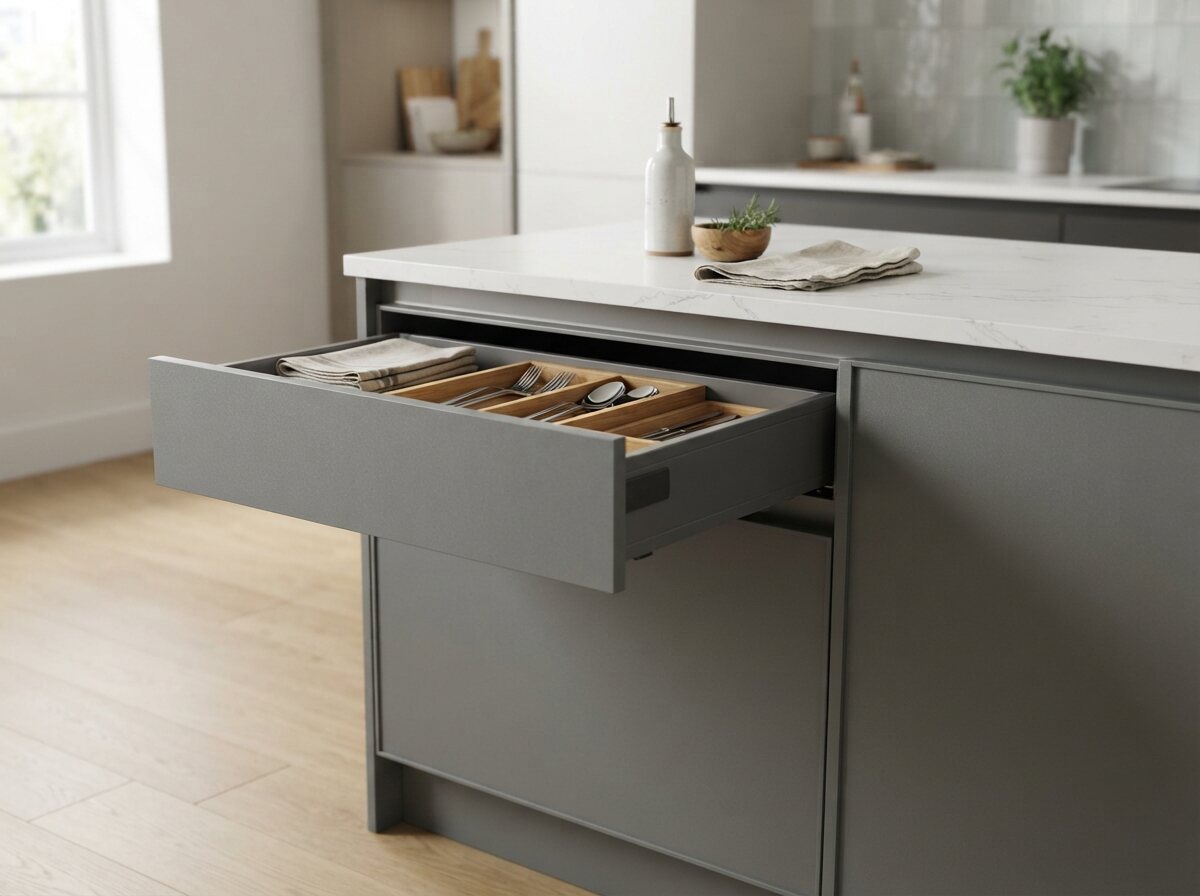
Choose flat-pack or assembled cabinets around installation
Custom kitchen cabinets and wardrobes from China need more than a finish selection. The buying decision includes board specification, joinery, hardware, room measurements, appliance interfaces, packing and local installation. Compare the complete package using an approved cabinet schedule.
| Supply format | Advantages | What to plan |
|---|---|---|
| Flat-pack | Potentially lower packed volume and easier component replacement | Assembly labour, accurate drilling, complete fittings and clear labels |
| Assembled | Less carcass assembly on site and visible factory assembly checks | Greater volume, protection against distortion and access through the building |
| Mixed format | Different formats for different cabinet types | Separate packing lists and installation instructions |
Ask for actual packing estimates for both options. The best choice depends on freight, local labour, site access and installer experience. A lower freight bill can be offset by difficult assembly or missing hardware.
Specify every material layer
State the carcass, back panel, shelf, door and edge specifications separately. Include substrate, thickness, surface finish and exposed edge treatment. Terms such as premium board or moisture resistant need measurable product information. Moisture resistance does not mean the entire cabinet is waterproof.
For veneer or timber finishes, approve colour range and grain direction. For painted, laminated or film finishes, approve a physical sample under the project lighting. Ask what emission evidence is applicable to the destination and exact material. A general marketing label is not enough to establish compliance.
Make hardware part of the order
| Component | Purchase detail |
|---|---|
| Hinges | Brand, model, opening angle and closing action |
| Drawers | Runner type, extension and specified load |
| Handles | Finish, centres and mounting location |
| Wardrobe fittings | Rail dimensions, accessories and internal layout |
| Installation kit | Fixings, brackets, adjustable legs and joining parts |
| Replacement parts | Agreed quantities and identification references |
Do not accept an unspecified equivalent after approving a particular fitting. Any proposed substitution should be documented with its price, performance and drawing effect before acceptance.
Approve drawings before production
Supply measured room dimensions, ceiling heights, wall conditions and service positions. Coordinate appliances, sink cutouts, plumbing, sockets and ventilation with local professionals. The factory drawing should identify each cabinet and its relationship to adjacent elements.
Review fillers, end panels, door swing clearances, worktop overhangs and access to service points. Record revision numbers and approval dates. A rendering helps show appearance but does not replace dimensioned manufacturing drawings.
Compare prices by cabinet schedule
A linear metre price can hide different assumptions about wall units, drawers, tall units and worktops. Request itemised prices by cabinet reference. Separate worktops, sinks, taps, lighting, appliances, packing and transport. For repeated apartments or hotel rooms, price a representative approved package and record the cost of variations.
Ask for minimum order quantities by finish and material. A custom colour or unusual board may require a different production minimum. Confirm when the production period begins, how long approval takes and whether an initial sample assembly is required. Payment milestones should allow the agreed checks before the final release.
Inspection and shipping checklist
Check the finished dimensions, door gaps, finish, edge treatment and fittings against the approved sample and drawings. Where practical, inspect a representative assembly before disassembly or packing. Verify that every package has a cabinet reference and that accessories are counted separately.
Protect door faces, corners and projecting hardware. Match carton labels with the room schedule and provide installation drawings in the shipment documents. Confirm any applicable wood packaging requirements with the forwarder. Include the packing volume in the container consolidation plan and coordinate with bathroom fixtures.
Buyer questions
Can I order one custom kitchen?
Some suppliers accept project orders, but minimums and setup costs vary. Compare the full delivered and installed cost before committing.
Are worktops included?
Only if explicitly stated. Confirm material, thickness, edges, cutouts, supports and final measurement responsibility.
How do I reduce missing-part delays?
Use a cabinet schedule, carton-level inventory, labelled hardware kits and agreed spares. Keep digital copies of the approved drawings and parts list.
Coordinate inspection and shipping
Use our pre-shipment inspection checklist to agree checks before payment and our container consolidation guide to coordinate packing and supplier ready dates. Confirm destination requirements with the product documentation guide.
Plan the next step
Send your specifications, quantities, destination and required delivery date. We will clarify the sourcing scope, supplier checks, inspection requirements and shipment coordination before you commit.